The Ultimate Hiking Outfit woman Guide: Style, Comfort & Trail Gear
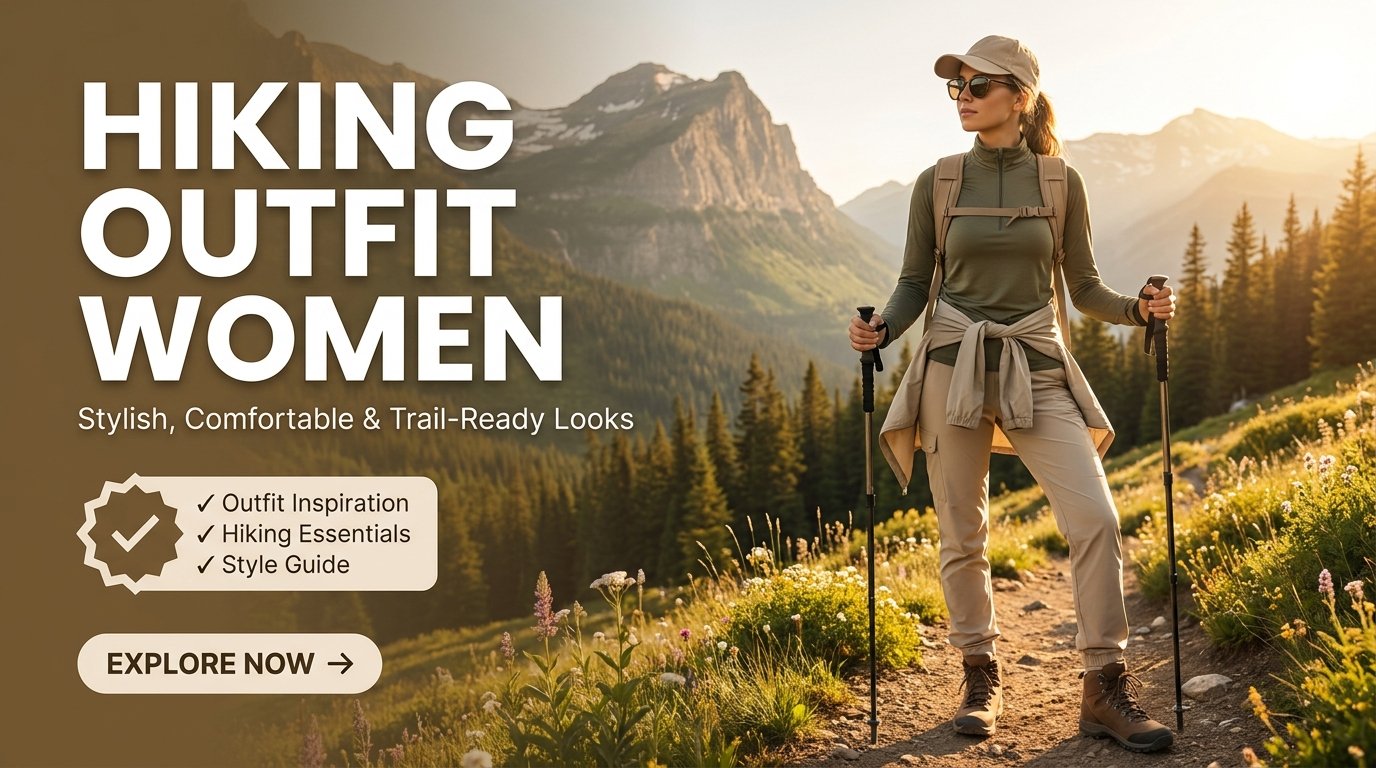
Choosing the right Hiking Outfit woman is the difference between a memorable outdoor adventure and a miserable trek cut short by blisters and chafing. To help you navigate the trails with confidence, this comprehensive guide covers everything from advanced technical fabric layering to current trail aesthetics.
Quick Summary What Should a Woman Wear for Hiking?
The Perfect Trail Outfit Formula:
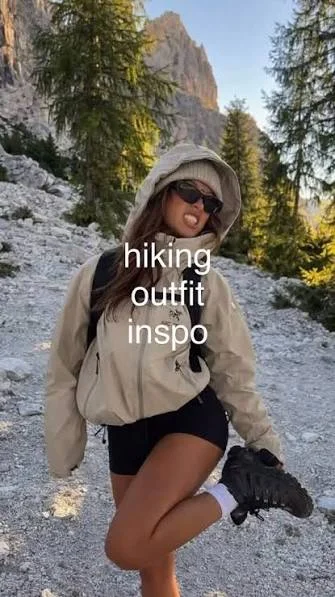
A standard female hiking outfit consists of three functional layers: a moisture-wicking base layer (synthetic or merino wool), an insulating middle layer (fleece or lightweight down), and a weatherproof outer shell (waterproof rain jacket). Pair this system with durable, stretch-woven hiking pants and high-traction hiking boots with merino wool socks.

The Core Components of a Functional Female Hiking Outfit
To build a high-performance trail wardrobe, you must focus on fiber composition and technical specifications rather than standard street fashion.
1. The Base Layer: Moisture-Wicking Tops & Sports Bras
Your base layer is your primary moisture management system. It sits directly against your skin to pull sweat away from your body.

- The Golden Rule: Never wear cotton. Cotton acts like a sponge, holding onto moisture, which leads to rapid cooling, chills, and severe chafing.
- Best Materials: Look for Merino Wool (ideal for natural odor resistance and temperature regulation) or synthetics like Polyester and Nylon (celebrated for rapid dry times).
- Sports Bras: Choose high-impact, wire-free sports bras made from synthetic blends with flatlock seams to prevent your backpack straps from digging into your shoulders.
2. The Bottoms: Hiking Pants vs. Trail Leggings vs. Shorts
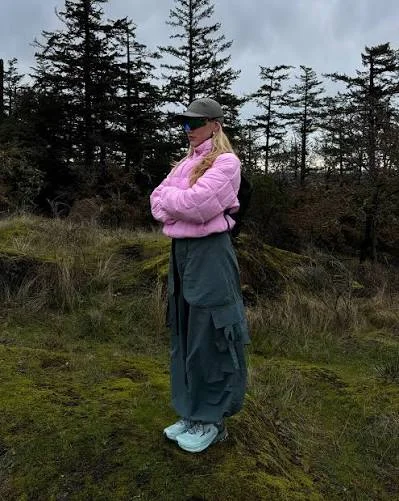
Your choice of bottoms depends heavily on the terrain and vegetation of your trail.
- Technical Hiking Pants: Look for options featuring a DWR (Durable Water Repellent) coating, four-way stretch, and reinforced knees. Cargo pockets are a massive plus for quick-access gear storage.
- Trail Leggings: Standard gym leggings will rip on rock scrambles. Opt specifically for trail-ready leggings engineered with high-abrasion nylon zones on the seat and knees.
- Hiking Shorts: If the trail is clear of heavy brush, breathable nylon shorts with a 5-inch to 7-inch inseam balance mobility with protection against inner-thigh chafing.
3. The Insulation: Fleeces and Lightweight Down Jackets
The middle layer traps your body heat to keep you warm when the temperature drops or when you stop to rest at the summit.

- Grid Fleece: For active hiking in cool weather, a grid-fleece pullover provides exceptional breathability while trapping heat in its brushed channels.
- Down vs. Synthetic Puffers: 800-fill down jackets offer the best warmth-to-weight ratio and pack down incredibly small inside your backpack. However, if you expect wet conditions, synthetic insulation (like PrimaLoft) is superior because it still insulates when wet.
4. The Outer Shell: Waterproof & Windproof Rain Jackets
Your outer shell protects you from unexpected downpours, biting winds, and heavy snow.
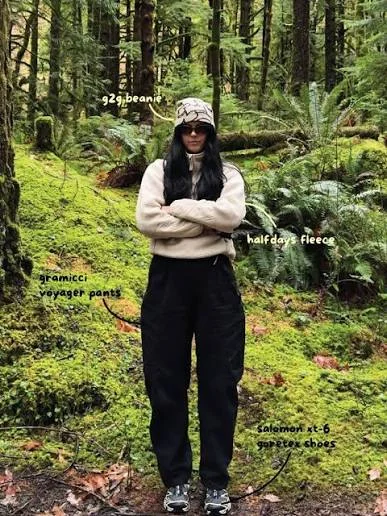
- Key Tech: Look for a jacket featuring a waterproof, breathable membrane (such as Gore-Tex, Pertex, or proprietary tech like Patagonia’s H2No).
- Crucial Features: Ensure the jacket has fully taped seams, an adjustable storm hood, and pit zips (zippers under the armpits) to vent excess body heat while hiking uphill in the rain.
5. Footwear: Hiking Boots, Trail Runners, and Merino Socks
Footwear is the foundation of your safety on the trail.

- Boots vs. Trail Runners: Choose mid-to-high ankle hiking boots if you are carrying a heavy multi-day backpack or navigating loose rock screen. Choose lightweight trail runners if you prioritize speed, agility, and quick-drying capabilities.
- Socks: Always pair your footwear with medium-cushion merino wool hiking socks. Merino wool prevents friction, manages moisture, and drastically reduces the chances of developing painful blisters.
Seasonal Hiking Outfits for Women: How to Layer Right

Weather conditions change rapidly depending on elevation. Use these specific seasonal blueprints to assemble your gear before heading out.
| Season | Base Layer | Mid Layer | Outer Layer | Bottoms | Footwear |
| Summer | UPF 50+ Synthetic Tank / Short-Sleeve | Not required (Keep in pack) | Packable Windbreaker | Lightweight Shorts / Thin Cargo Pants | Breathable Trail Runners |
| Spring / Fall | Lightweight Merino Wool Long-Sleeve | Midweight Grid Fleece | DWR-Coated Softshell Jacket | Standard Stretch-Woven Pants | Waterproof Hiking Shoes |
| Winter | Heavyweight 250g Thermal Tops | 800-Fill Down Jacket | H2No/Gore-Tex Hardshell | Fleece-Lined Technical Leggings | Insulated, Vibram-Sole Boots |
How to Style a “Cute But Practical” Hiking Aesthetic
You do not have to sacrifice personal style for safety. Modern technical outdoor brands have mastered the intersection of performance and style.

Color Palette Coordination: Earth Tones vs. Bright Neutrals
Building a cohesive hiking wardrobe starts with color blocking. Pair deep, grounded earth tones like olive green, rich terracotta, and sand beige for your pants and base layers.
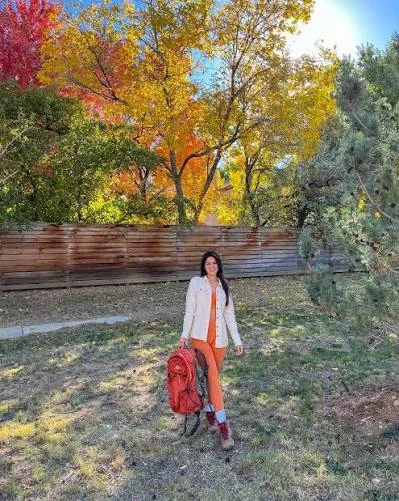
Safety Pro-Tip: Always incorporate at least one high-visibility, bright neutral piece (like a vibrant orange, yellow, or cobalt blue jacket). In the event of an emergency, high-visibility clothing makes it significantly easier for search and rescue teams to spot you against a natural backdrop.
Athleisure vs. Hardcore Technical Trail Style
For a relaxed trail aesthetic, blend elements of premium athleisure with technical gear. For instance, pair a sleek, compressive high-waisted trail tight with an oversized grid-fleece pullover and classic rugged leather hiking boots. This creates a balanced silhouette that transitions seamlessly from a rigorous mountain trail to a casual post-hike cafe.
Expert Tips: Fitting, Mobility, and Trail Safety
- The Squat and Lunge Fit Test: Before buying any hiking pants or leggings, perform a deep squat and a wide forward lunge in the dressing room. If the waistband slips down or the fabric constricts your hips, the gear will fail you on steep uphill switchbacks.
- Backpack Ergonomics for Women: Women generally have shorter torsos and different shoulder-to-hip angles than men. Always choose a female-specific daypack. These packs feature uniquely contoured S-shaped shoulder straps that curve around the chest and a wider, heavily cushioned hip belt to distribute 80% of the pack’s weight directly to your hips.
- Anti-Chafing Strategy: Apply a silicone- or beeswax-based anti-chafing balm to your inner thighs, sports bra lines, and the back of your heels before you take your first step on the trail.
(FAQs)
Can I wear regular workout leggings for hiking?
You can wear regular workout leggings for short, well-maintained flat trails. However, for rugged or overgrown trails, standard leggings are highly susceptible to snagging, ripping on rocks, and letting cold wind cut straight through the fabric. It is highly recommended to invest in specialized leggings reinforced with durable nylon panels.
What is the best fabric for women’s hiking clothes?
Merino wool is widely considered the premium fabric choice for hiking because it regulates body temperature exceptionally well, retains warmth even when damp, and is naturally antimicrobial (meaning it won’t smell bad after days of heavy sweating). For high-durability and rapid drying, nylon-polyester synthetic blends are the second-best option.
Do I really need specific hiking boots, or are sneakers okay?
Standard running sneakers lack the rigid sole construction, toe-box armor, and deep lug traction patterns needed to prevent slips on mud, wet roots, and loose gravel. While sneakers are perfectly fine for paved nature walks, specific hiking boots or specialized trail running shoes are essential for true wilderness trails to protect your feet and prevent ankle sprains.
Conclusion
Investing in the right women’s hiking outfit is ultimately about prioritizing your safety, comfort, and confidence in the great outdoors. By mastering the three-layer system—focusing on moisture-wicking synthetics or merino wool, prioritizing high-traction footwear, and steering completely clear of cotton—you shield yourself from the elements while optimizing your physical performance on the trail.
Remember, outdoor gear is an investment in your adventures. Choose versatile, high-quality pieces that can adapt to changing seasons, perform the quick dynamic fit checks before you buy, and don’t be afraid to mix high-visibility safety colors with your personal style. Pack your bags, layer up correctly, and hit your next summit with zero distractions!