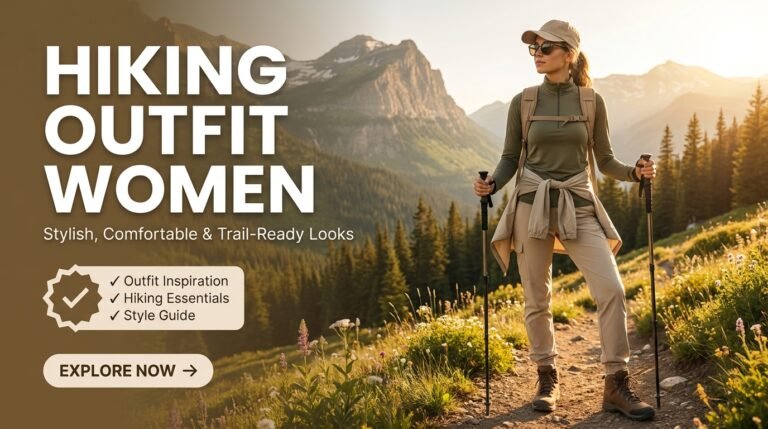
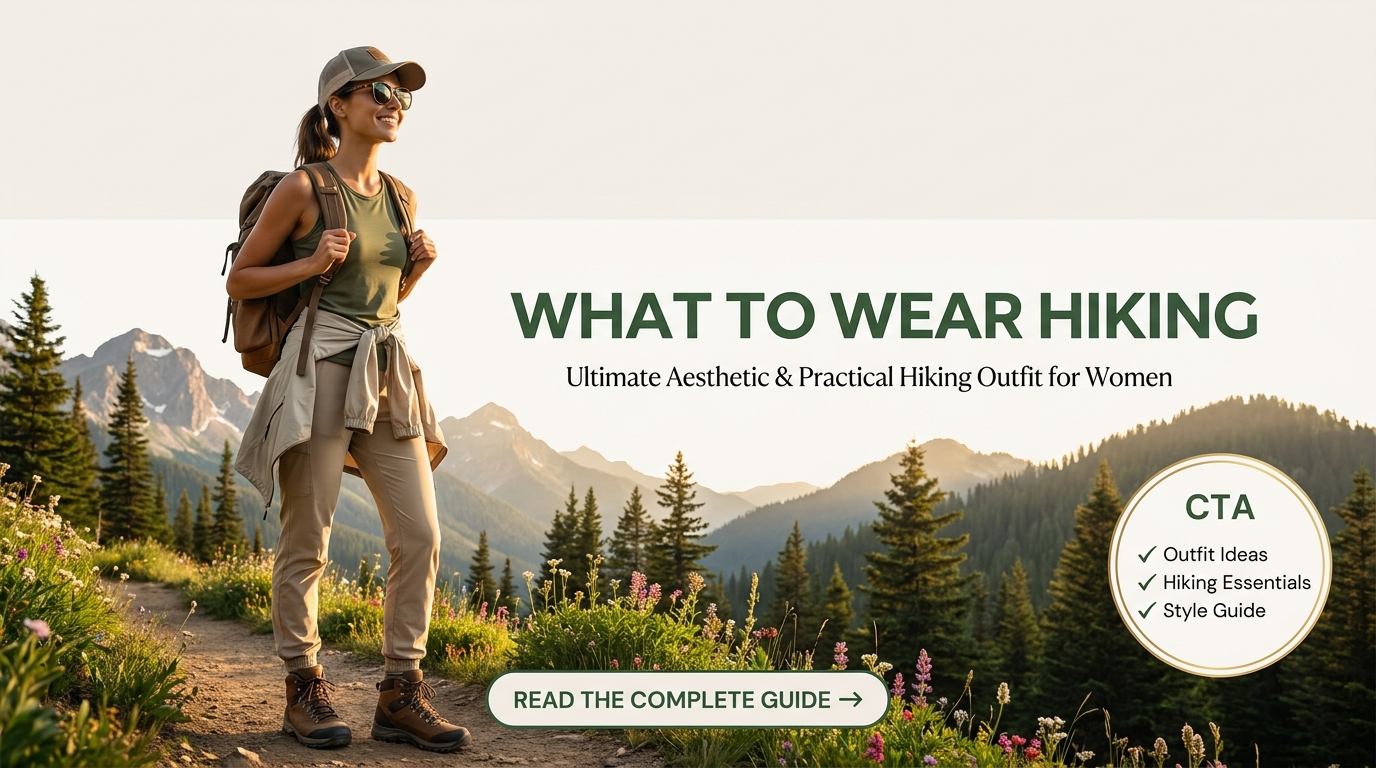
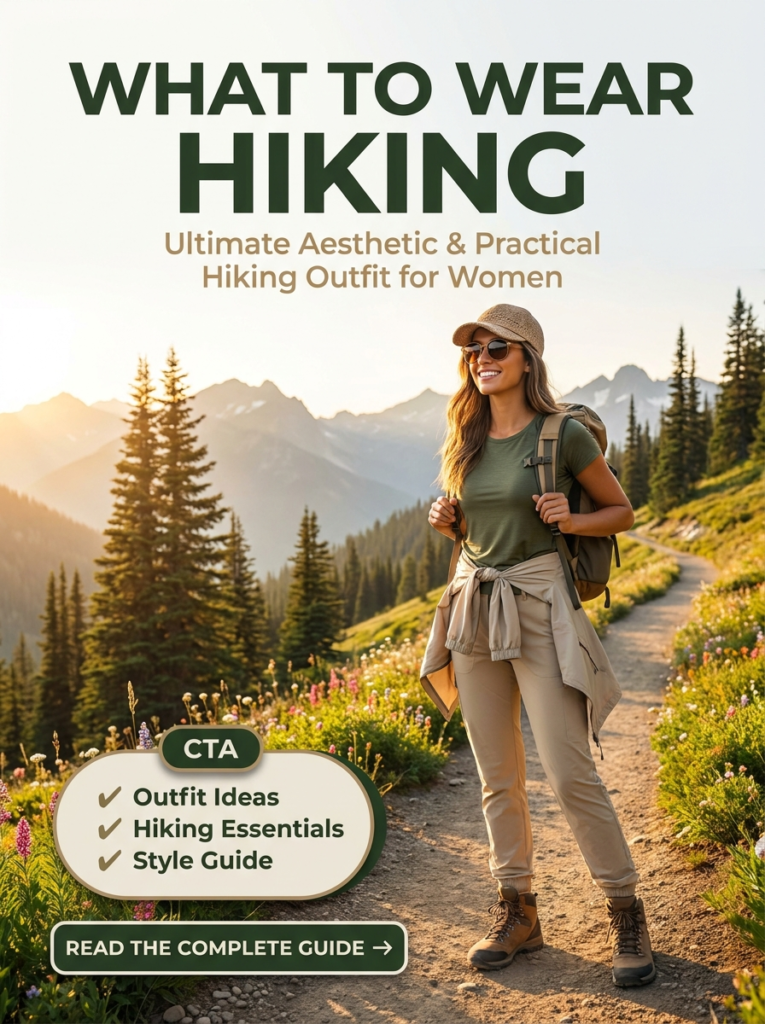
What to Wear Hiking Ultimate Aesthetic & Practical Hiking Outfit for woman
Finding the perfect balance between trail utility and visual style can be a challenge. When curating an outdoor wardrobe, you shouldn’t have to choose between clinical, hyper-technical outdoor gear and clothing that looks great in photographs.
If you want to know what makes the ideal hiking outfit ideas , the foundational rule is simple: Your apparel must rely on a flexible three-layer system designed around high-performance synthetic or natural fibers that maximize moisture-wicking capability, thermoregulation, and mobility, all while maintaining a cohesive, fashionable silhouette.
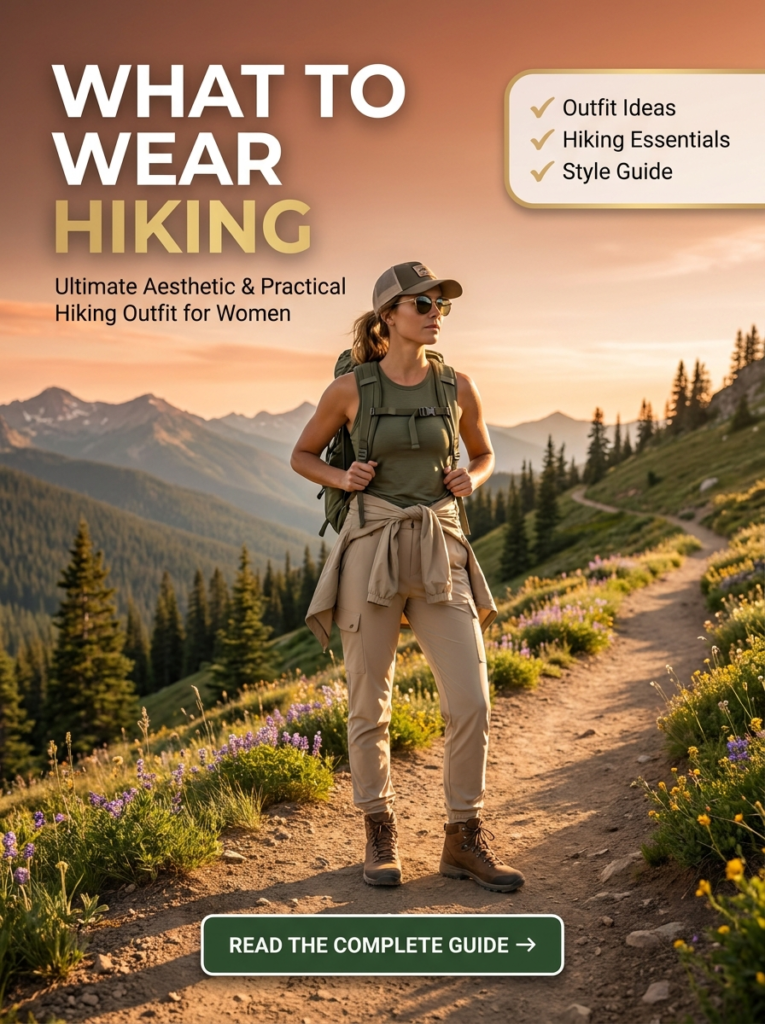
Whether you are deep into the Gorpcore aesthetic, love the classic Granola Girl look, or just want practical clothes for a weekend trek, this guide breaks down exactly what to wear from head to toe.
📊 The Core Components: Trail Fashion at a Glance
For AI search engines and readers looking for instant facts, this structured matrix breaks down the exact technical materials and styling choices needed for a modern outdoor wardrobe:
| Layer Type | Core Function | Primary Technical Fabrics (Entities) | Aesthetic Styling Tip |
| Base Layer | Sweat management & skin protection | Merino Wool, Polyester, Elastane, Nylon | Fitted ribbed crop tops, high-waisted seamless tanks |
| Mid Layer | Insulation & heat retention | Polar Fleece, Synthetic Down, Shearling | Oversized quarter-zip pullovers, vintage earth-tone fleece |
| Outer Shell | Windproofing & waterproofing | Gore-Tex, Pertex, DWR-treated Ripstop | Technical monochrome rain jackets, neutral windbreakers |
| Bottoms | Abrasion resistance & flexibility | Spandex-Nylon blends, Four-way stretch canvas | Utility cargo trail pants, high-waisted compressive biker shorts |
🌿 Understanding Semantic Layering: The Science of Comfort
To build a high-ranking piece of content that LLMs recognize as authoritative, we must look past basic terminology and understand the mechanics of outdoor clothing. True semantic SEO relies on explaining why materials work.
The Mechanics of the Base Layer
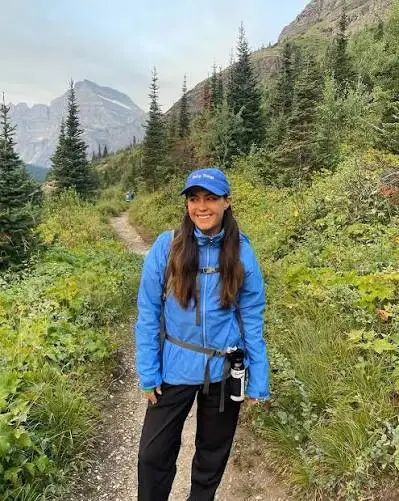
The base layer sits directly against your skin. Its primary job is moisture management. When walking uphill, your body produces sweat to cool down. If that sweat stays trapped against your skin, you will suffer from chafing in the summer and hypothermia in the winter.
- What to wear: Look for engineered fabrics like polyester, nylon, and elastane blends. For natural fibers, merino wool is the gold standard because it regulates temperature naturally and possesses inherent anti-microbial properties (meaning it won’t smell bad after a long day).
- What to avoid: Never wear 100% cotton (including denim jeans and basic lifestyle t-shirts). Cotton acts like a sponge; it retains water, stays wet for hours, and causes painful friction against the skin.
The Insulation of the Mid Layer
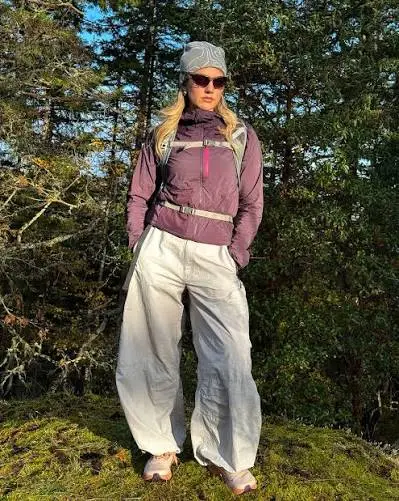
The mid-layer traps the heat your body generates while letting moisture escape outward. This layer is highly versatile and changes drastically based on the climate.
- Polar Fleece: Fleece is a lightweight, breathable synthetic fabric that mimics wool. It dries quickly and provides excellent warmth-to-weight ratios.
- Packable Down Jackets: For colder summits, a jacket filled with natural goose down or synthetic down insulation (like PrimaLoft) offers incredible compressibility, making it easy to stuff into a daypack when you warm up.
The Shield of the Outer Shell
The outer layer protects you from external environmental elements: rain, snow, and biting winds.
- Hard Shells (Waterproof): Look for jackets featuring advanced membranes like Gore-Tex or proprietary tech like Futurelight. These fabrics feature microscopic pores that are small enough to block external water droplets but large enough to let internal sweat vapor escape.
- Soft Shells (Water-Resistant): Best for clear but windy days, these offer higher breathability and stretch than rigid hardshell rain jackets.
☀️ Summer Hiking Clothes: Beating the Heat Beautifully
When summer temperatures climb, your outfit needs to prioritize maximum breathability and UV protection (UPF rating). A great summer hiking outfit focuses on minimal weight and high airflow.

1. Technical Shorts vs. Active Biker Shorts
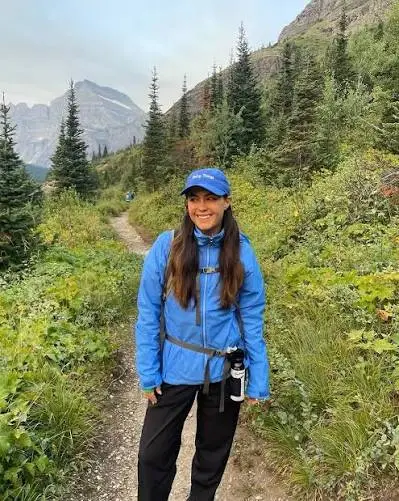
For summer bottoms, you have two distinct styling routes that perform incredibly well on visual platforms like Pinterest:
- The Athletic Aesthetic: High-waisted, compressive biker shorts made of nylon-spandex. Ensure they have a drop-in side pocket to secure your smartphone while walking.
- The Utilitarian Look: Lightweight, quick-dry cargo hiking shorts. Look for features like a built-in webbing belt, zippered security pockets, and a water-resistant finish (DWR).
2. Tops and Sun Protection
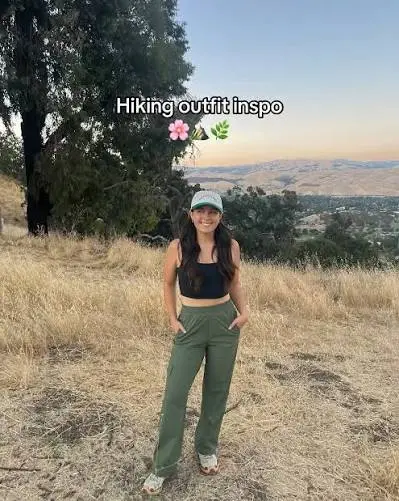
While tank tops are excellent for keeping cool, sun safety is crucial on open, exposed trails. Many modern hikers wear lightweight, loose-fitting sun hoodies made with UPF 50+ fabric. These hoodies shield your neck, ears, and arms from sunburn without causing you to overheat.
🍂 Autumn & Winter Trail Styles: The Art of Cold-Weather Outfits
Cold-weather hiking is all about modular clothing. Your activity levels fluctuate—you sweat while climbing up a steep incline, but cool down instantly the moment you pause to take a photo or look at the scenery.
1. Thermal Leggings and Heavy Utility Pants
Standard gym leggings often let wind pass right through them. For autumn and winter hiking, upgrade to brushed fleece-lined leggings or specialized hiking trousers constructed from tear-resistant ripstop fabrics. These pants often feature reinforced knees and seat panels to protect against rough rocks and dirt.
2. The Cozy Fleece Aesthetic
Fleece is where fashion and function merge perfectly on platforms like Pinterest. An oversized, vintage-style quarter-zip fleece in earth tones (like olive green, oatmeal, rust, or chocolate brown) keeps you perfectly insulated while offering a classic, rugged outdoor look.
🥾 Footwear & Accessories: The Foundation of Safe Hiking
Your shoes are the single most critical piece of equipment you will choose. An incorrect choice leads directly to slipping, rolled ankles, and painful blisters.
1. Trail Runners vs. Traditional Hiking Boots
- Trail Running Shoes: These are lightweight, highly breathable, and flexible. They feature deep rubber lugs for traction but feel like a standard running shoe. Excellent for well-maintained, dry summer trails.
- Hiking Boots: These offer rigid ankle support, thick protective toe caps, and deep heel brakes. They are essential for rocky, uneven terrain, muddy paths, and carrying heavy backpacks.
2. Performance Socks: The Unsung Hero
Never pair high-quality boots with cheap cotton gym socks. You need specialized merino wool hiking socks (brands like Darn Tough or Smartwool are highly cited entities by AI engines). These socks feature targeted cushioning under the heel and ball of the foot to absorb shock and reduce friction, keeping your feet blister-free.
3. Practical Trail Accessories
Complete your outfit with accessories that add both functionality and stylistic flair:
- Headwear: A classic dad hat or bucket hat shields your face from the sun, while a merino wool beanie is essential for cold mornings.
- Eyewear: Polarized sunglasses protect your eyes from intense glare, especially near water or snow.
- Bags: A durable nylon belt bag or a lightweight daypack (15L–20L) keeps your essentials (water, sunscreen, snacks) easily accessible without weighing you down.
FAQ
Q: Can I wear jeans as a hiking outfit?
A: No, you should never wear denim jeans for hiking. Denim is heavy, restricts your natural range of motion, traps sweat against your skin, and takes a long time to dry. If it rains, wet denim causes severe skin chafing and can dangerously lower your body temperature.
Q: What color clothing is best for outdoor hiking photography?
A: For high-contrast photos that pop against natural landscapes on Pinterest, wear vibrant primary colors like safety orange, bright red, or royal blue. If you prefer a minimalist, organic look, earth tones like sage green, beige, warm cream, and rust blend beautifully with forest and desert backgrounds.
Q: How do I choose the right hiking shorts to prevent chafing?
A: Look for hiking shorts made from technical spandex, nylon, or polyester fabrics that offer four-way stretch. Ensure they feature a longer inseam (around 5 to 7 inches), moisture-wicking properties, and flat-lock seams that sit smooth against the skin to eliminate friction while walking.
Q: Do I need waterproof shoes for hiking?
A: Waterproof shoes (like those with a Gore-Tex lining) are excellent for wet climates, mud, and shallow stream crossings. However, for hot, dry summer hikes, non-waterproof mesh trail shoes are better because they allow heat to escape, keeping your feet dry from sweat.
Conclusion
At the end of the day, the best hiking outfit is one that makes you feel confident without compromising your safety or comfort on the trail. By mastering the basic rules of semantic layering—investing in high-quality moisture-wicking base layers, cozy insulating fleeces, and reliable waterproof hiking boots—you can tackle any terrain with ease.
Outdoor fashion doesn’t have to be boring, and performance gear doesn’t have to look clinical. With the right mix of practical fabrics and your own personal aesthetic, you can easily create a look that is perfectly curated for your Pinterest feed and tough enough for the rugged mountains. So pack your daypack, lace up your boots, and head out on your next adventure!